President's Greetings
Wa wo motte Tattoshi to nasu
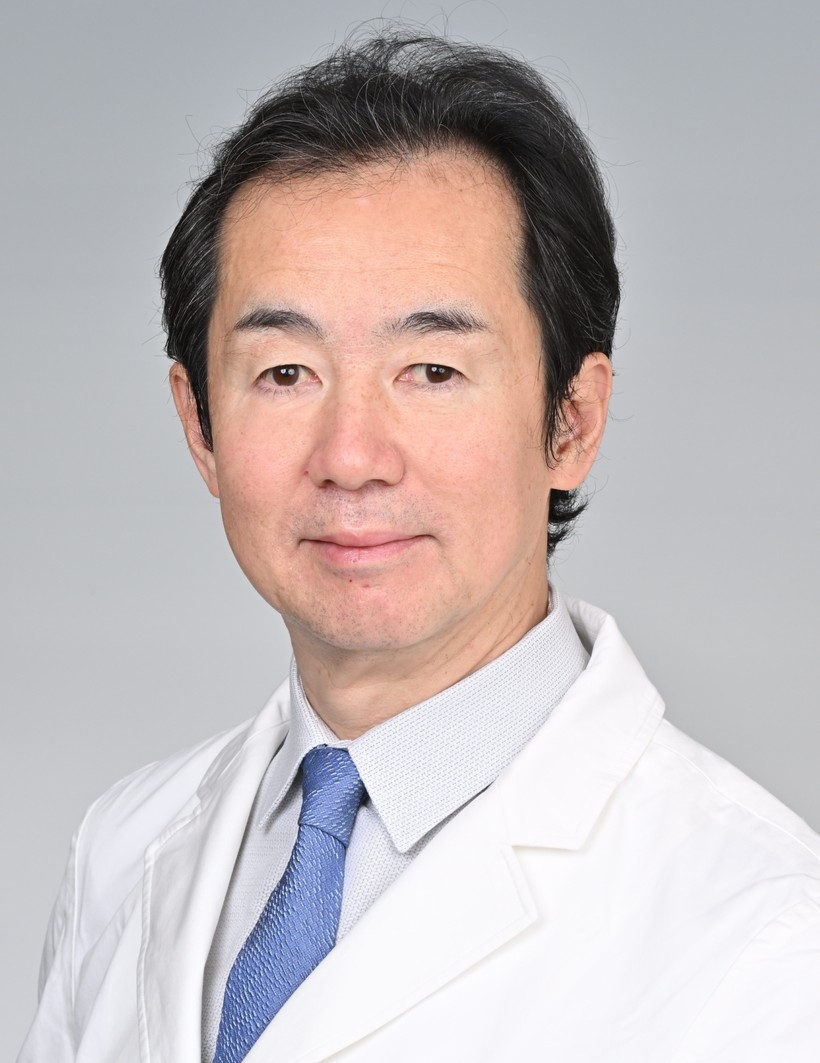
Kazuo Kishi, MD, PhD
Congress President
70th Annual Meeting of the Japan Society of Plastic and Reconstructive Surgery
Professor and Chair
Department of Plastic and Reconstructive Surgery, Keio University School of Medicine
It is my great honor and privilege to host the 70th Annual Meeting of the Japan Society of Plastic and Reconstructive Surgery.
For Keio University, this meeting holds particular significance, as it will be the first time in 38 years since our institution last hosted this congress in 1989. As chairperson, I feel both deeply honored and profoundly aware of the responsibility associated with this historic milestone.
The theme of this congress is based upon the Japanese principle:
“Wa wo motte Tattoshi to nasu.”
This phrase is often translated simply as “Harmony Above All,” yet its meaning is far deeper than mere agreement or the absence of conflict.
The spirit of “Wa” (和)does not mean simple agreement or uniformity. Rather, it reflects a cultivated respect for others, a sense of responsibility toward the broader community, and the ability of individuals with different strengths and perspectives to work together with dignity and purpose.
This principle originates from the Seventeen-Article Constitution established in 604 by Shotokutaishi, one of the most influential figures in the spiritual and cultural history of Japan. For many centuries, the spirit of “Wa” has served as an ethical foundation within Japanese society—not by erasing differences among people, but by encouraging individuals with diverse talents, viewpoints, and roles to coexist and contribute toward a greater shared purpose.
I believe that plastic and reconstructive surgery embodies this same philosophy.
Our field possesses a long and distinguished history dating back to ancient reconstructive procedures such as Indian rhinoplasty. At its core, plastic surgery is founded upon a profound understanding of wound healing, vascular anatomy, tissue circulation, and the restoration of normal form and function. In many respects, it represents one of the most fundamental physiologies underlying surgical science itself.
Today, plastic and reconstructive surgery encompasses an extraordinarily wide range of subspecialties, including reconstructive microsurgery, craniofacial surgery, burn care, hand surgery, aesthetic surgery, regenerative medicine, and basic research in wound healing and tissue biology. Each field possesses its own expertise, technologies, methodologies, and perspectives. Yet despite this diversity, all are united under the shared philosophy of restoring human dignity through the recovery of form and function.
When I reflect upon this unity within diversity, I am reminded once again of the spirit of “Wa.”
Although the history of the Japan Society of Plastic and Reconstructive Surgery is relatively young compared with some other medical disciplines, this congress marks its 70th annual meeting. To commemorate this important milestone, we plan to organize symposia encompassing the full breadth of our specialty. Distinguished experts from each field will reflect upon the achievements and accumulated wisdom of the past 70 years, while discussing future breakthroughs and new directions for the next generation.
For our invited and special lectures, we are honored to welcome visionary leaders not only from plastic surgery, but also from many other disciplines. These distinguished individuals possess insights that transcend conventional boundaries and inspire us to perceive deeper truths that may shape the future of medicine, science, and humanity itself.
The congress venue, Hotel Okura Tokyo, offers magnificent panoramic views of Mount Fuji from its upper floors. I believe that one of the most valuable aspects of any scientific meeting is face-to-face communication among researchers, clinicians, and innovators. Therefore, we plan to open this beautiful space as a shared lounge where participants may freely gather, exchange ideas, and engage in creative discussions for the future of our field.
Scientific progress is often born not only from formal presentations, but also from spontaneous conversations, mutual curiosity, and encounters among individuals with different experiences and perspectives. It is my sincere hope that this congress will provide such opportunities for meaningful interaction and intellectual inspiration.
In the beautiful spring season in Tokyo, I warmly invite all participants to join us in exploring together the spirit of “Wa” and in envisioning the future of plastic and reconstructive surgery.
I very much look forward to welcoming you to Tokyo.