Welcome Message
Weaving the Future of Chronic Care - Healing and Restoring -
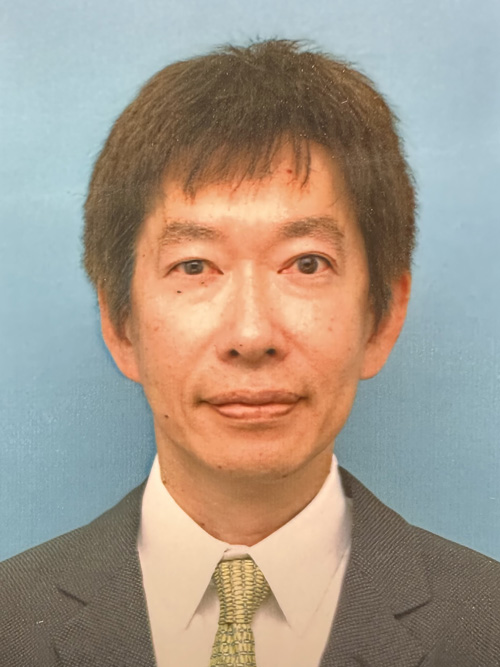
The 7th Asian Congress of Medical and Care Facilities
Yoshihiro Takaishi
Hospital Director, Hojo Hospital
The Asia Association of Medical and Care Facilities (AAMCF) will hold the 7th Asian Congress of Medical and Care Facilities from Thursday, November 19 to Friday, November 20, 2026, at the Fukuoka International Congress Center[A1.1]. It is a great honor to host this Congress, which is being held in Japan for the third time, in Fukuoka—an international city known as the “gateway to Asia” that has historically developed as a hub of trade and enjoys thriving exchange with major cities across the Asia-Pacific region.
As populations age worldwide, the period during which people live with chronic conditions is becoming increasingly prolonged. Societal demand for chronic care [A2.1]has been rising dramatically, expanding beyond care that treats and supports patients to include facilitating their “restoration” back into society. Accordingly, it goes without saying that ensuring and improving the quality of chronic care is becoming increasingly important.
Postmodernism is a philosophical movement that spread across fields such as philosophy, art, and architecture from the mid to late 20th century. In contemporary times, this thinking is reflected in what is known as postmodern medicine: while recognizing the achievements of modern medicine, postmodern medicine seeks to transcend its limitations and realize healthcare that embraces more human-centered and diverse values, deepening patient-centered approaches and ethical discourse. Even as people reach old age and enter long-term care, they may return to acute care, proceed to recovery phases, and repeat this cycle before reaching the end of life. Within this care cycle, there is a need for diverse and integrated medical approaches that position ADL and QOL[A3.1] as new goals of healthcare[A4.1]. Chronic care must more carefully connect these societal developments with one another and give concrete form to them. With the aspiration to pass on the resulting high-quality care to the next generation, we have decided to make the theme of the 7th Congress “Weaving the Future of Chronic Care: Healing and Restoring[A5.”
East Asia is facing the shared challenge of rapid progression in declining birthrates and population aging. While Japan records one of the highest rates of population aging in the world, all countries confront similar issues: falling birth rates, increasingly aged population structures, and soaring healthcare expenditures driven by advances in medical technology, which place growing strain on public finances. In response to the need to contain medical costs, countries are implementing various policies, including bundled payment systems[A6.1] centered on inpatient medical expenses, adjustments to patient cost-sharing, and the determination and revision of benefit coverage. Each of these policies has both advantages and drawbacks, and sharing knowledge on how to balance efficiency and equity in healthcare systems is valuable. Through this Congress, we hope that participants will learn from one another’s national experiences, broadly share appropriate policies with sustainability in mind, and contribute to the accumulation within the international community of better policies in accordance with each country’s circumstances.
In taking on the challenge of addressing the future of chronic care, we aim to create a forum for vigorous discussion among many participants. We sincerely look forward to welcoming you to Fukuoka.
![Poster (Japanese) [PDF] Download](../images/poster-ja.jpg)